
How to Make an Artificial Christmas Tree Look Natural
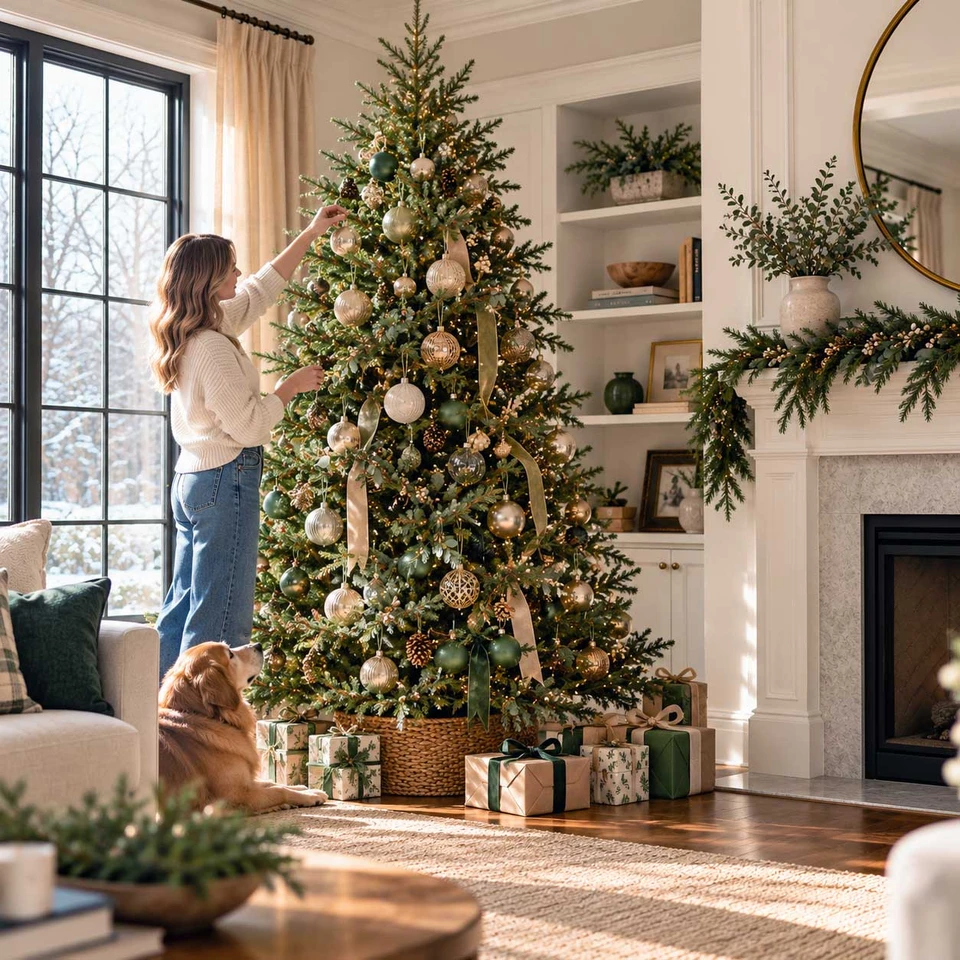
How to Make an Artificial Christmas Tree Look More Natural
A beautiful artificial Christmas tree starts with the right silhouette, but its final look comes down to the details. Natural evergreens are not perfectly symmetrical or uniformly dense. They have layered branches, varied needle textures, and a little breathing room between the boughs. Re-creating those qualities at home makes an artificial tree feel more like it belongs in the forest—and less like it just came out of a box.
Start With a Naturally Detailed, Full Tree
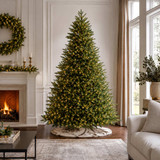
A full tree creates the generous, welcoming silhouette many people picture when they imagine a classic Christmas tree. For the most natural effect, look beyond sheer fullness and choose foliage with variation: molded PE needles, mixed needle types, irregular branch lengths, and layered branch construction all create more believable depth.
Several full artificial Christmas trees from Treetime stand out for a natural look:
Western Balsam Fir is the strongest all-around choice. Its spacious, layered profile and irregular branches avoid an overly uniform appearance, while its 65% Real-Needle™ PE foliage adds realistic detail up close.

Mountain Frasier Fir has a more woodsy, layered look. Downward-sweeping branches and varied branch lengths give it the relaxed character of a freshly cut Frasier fir.

Enchanted White Spruce is worth considering for close-up realism, with nearly all-PE molded branches designed after a natural white spruce.

Geneva Fir is a dense option with several needle styles, including flat fir needles that lighten toward the tips. It is a good fit for shoppers who want a full tree without losing texture.

Fluff Every Branch Before Decorating
Even the most realistic tree needs shaping. Begin at the bottom and work upward, opening one branch at a time. Separate the smaller offshoots, fan them outward, and gently bend some tips up, down, and to the sides.
Avoid arranging every branch at the same angle. A little variation is what gives a tree dimension. Work from the inside of the tree outward so the center looks full and the outer branches create a soft, natural outline.
Keep the Silhouette Slightly Imperfect
Perfect symmetry can make an artificial tree look flat. Instead of creating a sharp, even cone, let a few branches extend a little farther than others. Keep the overall shape balanced, but allow the branch layers to remain visible.
Trees with open or layered sections are especially helpful here. The subtle spaces between branches create shadows and depth, which make the foliage look more realistic than a perfectly packed surface.
Use Warm, Even Lighting
Lights can either enhance a tree’s natural beauty or make it feel overly artificial. Warm white lights generally create the most classic, candlelit look. Turn the lights on while shaping the branches; the glow will reveal dark pockets and help you distribute the foliage more evenly.
For a softer result, tuck some lights slightly farther into the tree rather than leaving every bulb at the outer edge. This adds depth and gives the branches a warm glow from within.
Decorate in Layers, Not Rows
Once the tree is shaped, use ornaments to support its natural dimension. Hang larger ornaments deeper in the branches, then place smaller ornaments and more delicate pieces closer to the tips. This prevents the décor from sitting in one flat layer.
Choose a mix of finishes—matte, glass, wood, metallic, and fabric—to add warmth and texture. Rather than placing ornaments in neat horizontal rows, vary their height and spacing. The goal is an effortless, collected look.
Add Natural Texture at the Base
A tree skirt, woven basket collar, or simple fabric base can make the entire display feel more grounded. For a woodland-inspired finish, add a few pinecones, wrapped gifts in kraft paper, or subtle evergreen picks around the base.
Keep these accents restrained. The tree should still be the focal point, with the base serving as a quiet finishing touch.
Step Back and Edit
After decorating, step back several feet and look at the tree from different angles. Check for obvious gaps, clusters of ornaments, or branches that need a little more shaping. A few final adjustments can make a significant difference.
The most natural-looking artificial trees do not need to be perfect. Choose a full tree with realistic foliage, take time to shape it from the inside out, and let texture, light, and a little asymmetry bring the finished look to life.
Shop Natural-Looking Artificial Christmas Trees at Treetime Christmas Creations
Ready to bring a more natural Christmas look home? Shop Treetime’s full artificial Christmas trees to find a lifelike style with the fullness, texture, and detail your holiday display deserves.
Newest Guide & Blog Updates
How to Make an Artificial Christmas Tree Look Natural
Treetime Decorating Guide How to Make an Artificial Christmas Tree Look More Natural A beautiful a...

What Are the Best Realistic Artificial Christmas Trees?
What Are the Best Realistic Artificial Christmas Trees? The best realistic artificial Christmas tr...
What Makes an Artificial Christmas Tree Look Real
Treetime Realism Guide Nothing captures the season’s magic like a beautifully lit evergreen—real o...
Are Treetime Trees Worth It?
Treetime Buying Guide Are Treetime Artificial Christmas Trees Worth It? If you’re deciding whether...
How to Pick a High-Quality Artificial Christmas Tree That Lasts
Key Takeaways Think of a quality artificial Christmas tree as a long-term investment. Choosing du...
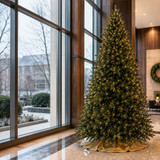
Commercial Christmas Trees Engineered to Perform: Inside TreeTime Tower Trees
TreeTime Commercial Tower Trees Commercial Christmas Trees Engineered to Perform A commercial Chri...