
How to Pick a High-Quality Artificial Christmas Tree That Lasts
Key Takeaways
- Think of a quality artificial Christmas tree as a long-term investment. Choosing durable construction, realistic foliage, and dependable lighting can give you a tree you’ll enjoy for many holiday seasons.
- Research materials, construction, and lighting. Compare PE vs. PVC foliage, tip density, branch strength, LED lighting, and other features that affect realism, convenience, and longevity.
- Shop and compare before you decide. Browse Treetime’s artificial Christmas trees online, read the tree buyer’s guide, and shortlist a few options based on your space, style, and budget.
- See Treetime trees in person. If you’re near Lake Barrington, IL, visit the Treetime showroom to compare tree height, fullness, foliage, lighting, and finishing details that can be difficult to evaluate online.
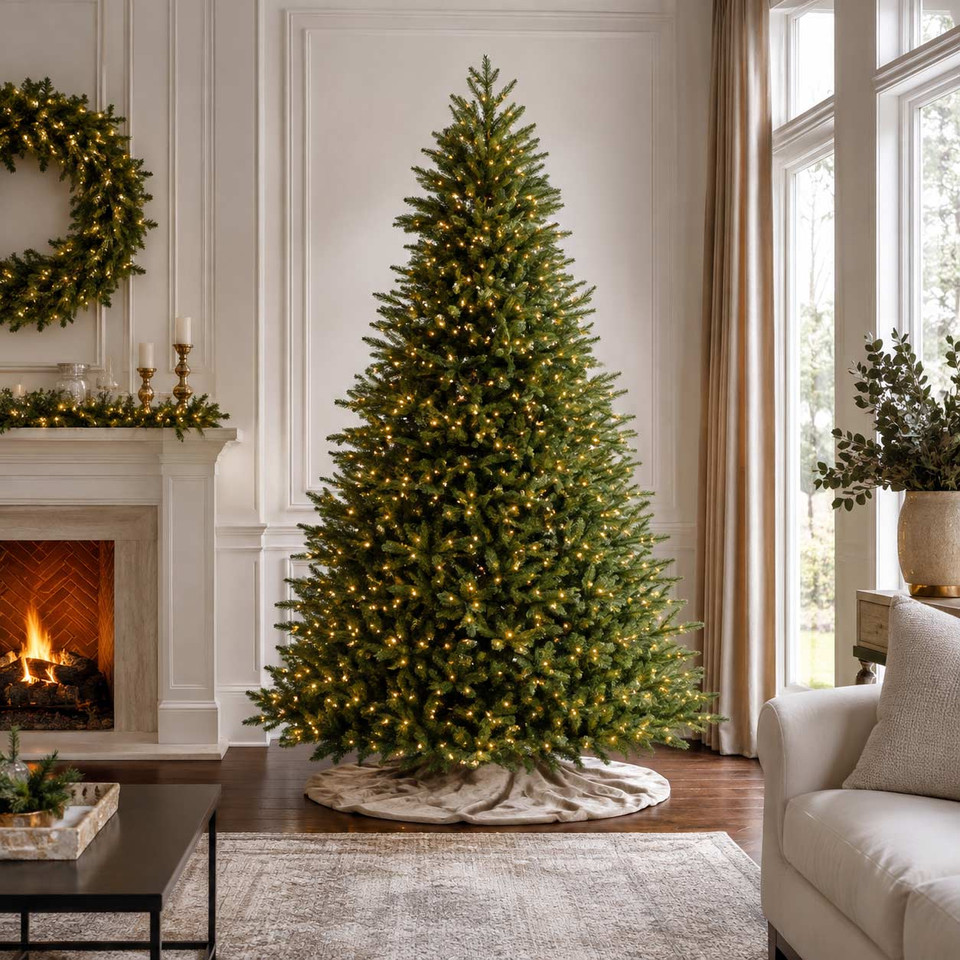
A great artificial Christmas tree isn’t a disposable decoration; it’s an investment in years of holiday traditions. High quality means true-to-nature realism, sturdy construction that stands up to annual setup and storage, and lighting that looks beautiful season after season.
But many of the details that separate an average artificial tree from a great one can be difficult to judge online. This guide explains what to look for, from size and materials to lighting and construction, and how a visit to the Treetime showroom can help you compare trees in person before you buy.
Why Quality Matters When Choosing an Artificial Christmas Tree
The lowest-priced artificial trees can look convincing in a product photo but disappoint once they’re assembled. Sparse foliage, visible center poles, weak branches, unstable stands, and unreliable lighting can quickly turn a bargain into a frustrating holiday purchase.
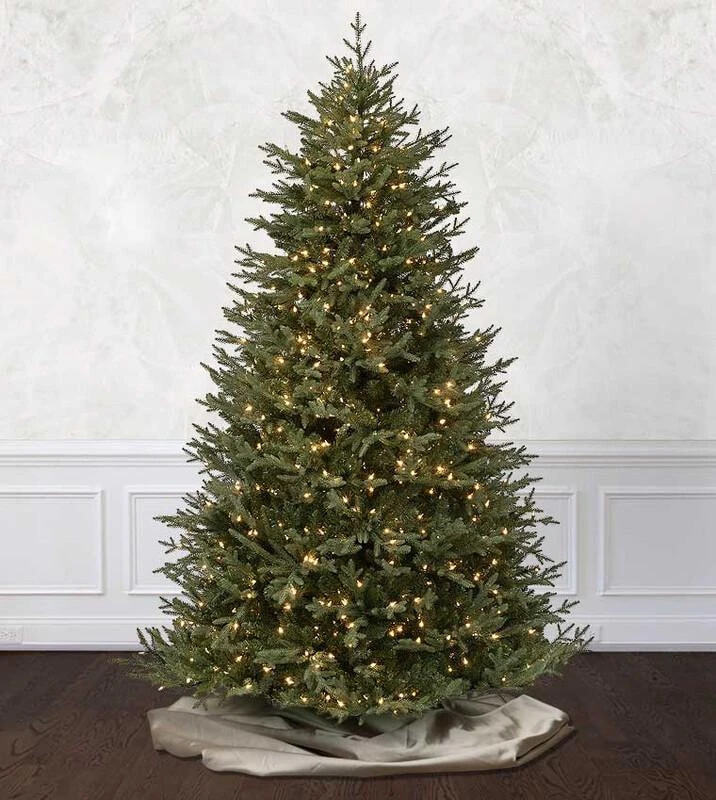
A well-made artificial Christmas tree is designed to be used season after season. Look for dense foliage, sturdy branches that can support your favorite ornaments, a stable center pole and stand, durable hinges, and quality lighting components.
Spending more on the right tree upfront can also mean fewer replacements and less time troubleshooting lights, reshaping sagging branches, or disguising gaps. Most importantly, you get a holiday centerpiece you can look forward to decorating every year.
Get the Scale Right: Height, Width, and Tree Shape
Start by measuring your ceiling height and available floor space. Leave approximately 6–12 inches between the top of your tree and the ceiling to accommodate a topper and create some breathing room.
8-foot ceiling: A 6.5- or 7.5-foot tree will typically work well.
9- to 10-foot ceiling: A 9-foot tree may be a better fit.
Tall or vaulted room: Consider a larger tree for a more dramatic, properly scaled display.
Width matters just as much as height. A full tree creates a lush, traditional silhouette and works beautifully in larger rooms. A slim tree offers plenty of presence while preserving floor space and walkways. Pencil trees can work especially well in corners, entryways, and other compact spaces.
If you’re having trouble visualizing the difference, visit the Treetime showroom. Seeing multiple heights and profiles side by side makes it easier to understand how a tree’s proportions will translate to your home. Bring your room measurements so you can compare options with your actual space in mind.
Materials and Realism: PE vs. PVC
Foliage is one of the biggest factors affecting how realistic an artificial Christmas tree looks.
| Foliage | What to Know |
|---|---|
| PVC | Typically cut from flat sheets. PVC is useful for creating interior fullness and density, but tends to look flatter and more uniform. |
| PE | Molded to create more dimensional, natural-looking branch tips with shapes, textures, and colors that more closely resemble real evergreen foliage. |
PE needles are molded to create a more dimensional, natural-looking branch tip. Their shape, texture, and color can more closely resemble real evergreen foliage.
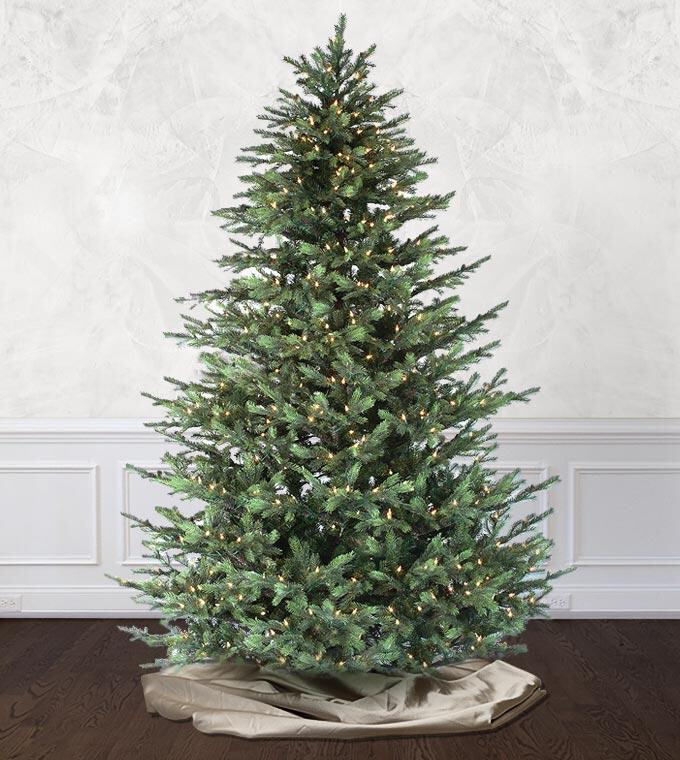
Many high-quality artificial trees combine the two materials, using realistic PE foliage on the exterior and PVC branches toward the interior for additional density.
Tip count and variation matter, too. Look for abundant branch tips with different lengths, shapes, and orientations. These details create depth, help conceal the tree’s interior structure, and provide more places to hang ornaments.
This is another area where shopping in person can make a difference. At the Treetime showroom, you can see foliage up close, touch and shape branches, compare needle textures, and view different levels of realism side by side.
Lighting Quality: Pre-Lit vs. Unlit
A pre-lit artificial Christmas tree can dramatically simplify holiday decorating—as long as the lighting is well designed.
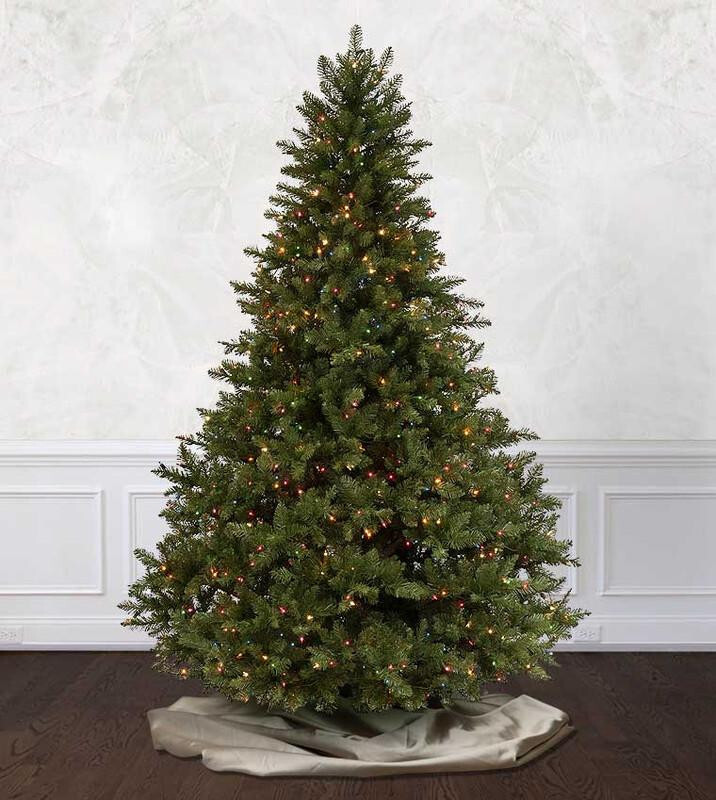
LED lights are a popular choice because of their long lifespan, low energy consumption, and cooler operation. Depending on the tree, you may also find options such as warm white lights, multicolor lighting, twinkle effects, or multiple lighting modes.
When comparing pre-lit trees, look beyond the number of bulbs. Pay attention to how evenly the lights are distributed, whether wiring disappears naturally into the foliage, and how easy the tree is to connect during assembly.
Lighting tone can be particularly difficult to evaluate on a screen. Seeing different options illuminated at the Treetime showroom lets you compare brightness, color temperature, and lighting effects in person and decide what creates the atmosphere you want.
Construction and Durability: What to Look For
A realistic tree still needs a strong foundation. Pay attention to the parts you may not immediately notice in a product photo.
Hinged branches make assembly easier because they stay attached to the center pole and fold into position. A sturdy metal center pole and stable stand help keep the tree upright, while strong branch construction helps support ornaments without excessive drooping.
Quality Checklist
- Center pole: Look for sturdy construction that won’t flex or lean easily.
- Stand: Make sure the tree feels stable and secure.
- Hinges: Look for smooth movement and durable attachment points.
- Branch tips: They should feel secure while remaining easy to shape.
- Branch strength: Consider whether branches can support the ornaments you plan to use.
- Lighting connections: On pre-lit trees, easy-to-access connections can simplify setup.
- Warranty: Review coverage for the tree’s structure, foliage, and lighting.
At the Treetime showroom, you can examine many of these details firsthand and ask questions about setup, construction, lighting, and care before choosing your tree.
Artificial Christmas Tree Style Trends
Realism continues to influence artificial Christmas tree design, with species-inspired silhouettes, dimensional foliage, natural color variation, and less rigidly symmetrical branch structures creating a more authentic appearance.
Fraser fir- and Noble fir-inspired looks remain popular, while intentionally airy, Scandinavian-inspired silhouettes provide space for statement ornaments and decorative garlands.
Flocked and frosted finishes offer a wintry look, while less traditional colors can work beautifully in contemporary interiors and themed holiday spaces.
Whatever style you choose, consider whether you’ll still love it several seasons from now. A high-quality artificial tree can last for years, so a silhouette and finish that complement your home—not just this year’s trend—can be a smart long-term choice.
Premium vs. Budget: Which Artificial Tree Is Right for You?
The right artificial Christmas tree isn’t necessarily the most expensive one; it’s the tree that delivers the quality, look, and longevity you want for your budget.
If you plan to use your tree for many holiday seasons, investing more upfront can pay off. Premium trees typically prioritize realistic foliage, fuller silhouettes, stronger branches, durable construction, and higher-quality lighting—features that help a tree look better and perform reliably year after year.
Budget matters, but so does long-term value. A lower-priced tree that needs replacing after only a few seasons may ultimately cost more than a well-made tree designed for years of use.
As you shop, compare the features that matter most to you, not price alone. Look closely at foliage materials, fullness, construction, lighting, warranty, and expected longevity. If you’re near Lake Barrington, Illinois, you can also visit the Treetime showroom to see how trees at different price points compare in person before deciding where it makes sense to invest.
If you’re unsure where upgrading makes the biggest difference, the Treetime showroom lets you compare trees across styles and price points in person. Seeing differences in foliage, fullness, lighting, and construction side by side can make it much easier to decide which features matter most to you.
Care and Storage Tips to Help Your Artificial Tree Last
Handle each tree section carefully during assembly and disassembly. Avoid forcing branches or putting unnecessary pressure on hinges, lighting connections, and foliage.
When shaping your tree, work from the trunk outward and spread individual tips to create depth and conceal the interior structure. Proper shaping may take longer the first time, but it can make a significant difference in the tree’s finished appearance.
For storage, use a tree storage bag that provides enough room to protect branches, foliage, and lights without excessive compression. Follow the manufacturer’s care and lighting instructions and store the tree in a clean, dry location between seasons.
With thoughtful setup, care, and storage, a high-quality artificial Christmas tree can remain a beautiful part of your holiday traditions for years.
Visit the Treetime Showroom
Some artificial Christmas tree features simply need to be experienced in person.
Visit the Treetime showroom to see, touch, and compare artificial Christmas trees before making your final decision. You can experience differences in tree height, width, fullness, branch realism, lighting tone, and finishing details that are hard to judge from photos alone.
- Find the right tree: Compare heights, widths, slim profiles, fuller silhouettes, and branch realism side by side.
- See the lights in person: Experience different lighting styles and tones to see how they change each tree's look and mood.
- Complete your holiday look: Browse Treetime ornaments, wreaths, garlands, tree skirts, and seasonal accents alongside your tree.
Shop Smart Online Before Your Showroom Visit
You can make your Treetime showroom visit even more useful by doing a little research beforehand.
Start by measuring your ceiling height and available floor space. Decide whether you’re leaning toward a full, slim, or pencil profile and whether you prefer a pre-lit or unlit tree.
Then browse Treetime’s artificial Christmas trees online and shortlist two or three options. Compare their dimensions, foliage, lighting, and other features so you arrive knowing which models or styles you want to see in person.
Once you’re at the showroom, you can focus on the details that are hardest to evaluate online: how realistic the foliage looks up close, how substantial the tree feels in the room, how the lights actually appear, and how the branches support ornaments.
Frequently Asked Questions
How do I choose the right artificial Christmas tree size?
Measure your ceiling height and available floor space first. Leave approximately 6–12 inches of clearance for a topper. Then consider the tree’s profile: full trees work well in larger spaces, while slim and pencil trees can provide height without taking up as much floor space. You can also compare different sizes and profiles in person at the Treetime showroom.
What makes an artificial Christmas tree look realistic?
Look for dimensional PE foliage, natural color variation, varied branch-tip shapes, abundant tips, and a silhouette inspired by real evergreen species. Mixed PE and PVC construction can provide realistic exterior foliage while maintaining fullness inside the tree.
Is a pre-lit or unlit Christmas tree better?
It depends on how you decorate. Pre-lit trees offer convenience and eliminate much of the work of stringing lights. Unlit trees give you more flexibility to change your lighting style from year to year. If you’re undecided, comparing illuminated and unlit options at the Treetime showroom can help.
Is it worth seeing an artificial Christmas tree in person before buying?
Yes, especially if realism, scale, and lighting matter to you. Photos can make it difficult to accurately judge foliage texture, fullness, tree proportions, lighting tone, and branch strength. At the Treetime showroom, you can compare these details side by side before deciding which tree is right for your home.
Ready to Find Your Tree?
Compare realistic foliage, sizes, shapes, lighting styles, and more across Treetime’s artificial Christmas tree collection.
Shop Artificial Christmas TreesNewest Guide & Blog Updates
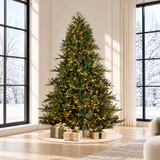
Best Artificial Christmas Trees 2027: Treetime Best Sellers
The Treetime 2027 Tree Guide Find a Christmas tree that feels right at home. The best artificial C...
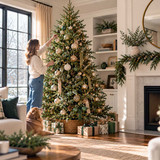
How to Make an Artificial Christmas Tree Look Natural
Treetime Decorating Guide How to Make an Artificial Christmas Tree Look More Natural A beautiful a...
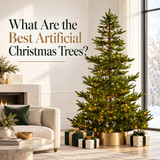
What Are the Best Realistic Artificial Christmas Trees?
What Are the Best Realistic Artificial Christmas Trees? The best realistic artificial Christmas tr...
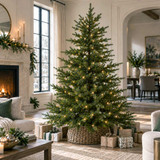
What Makes an Artificial Christmas Tree Look Real
Treetime Realism Guide Nothing captures the season’s magic like a beautifully lit evergreen—real o...
Are Treetime Trees Worth It?
Treetime Buying Guide Are Treetime Artificial Christmas Trees Worth It? If you’re deciding whether...
How to Pick a High-Quality Artificial Christmas Tree That Lasts
Key Takeaways Think of a quality artificial Christmas tree as a long-term investment. Choosing du...