
Are Treetime Trees Worth It?
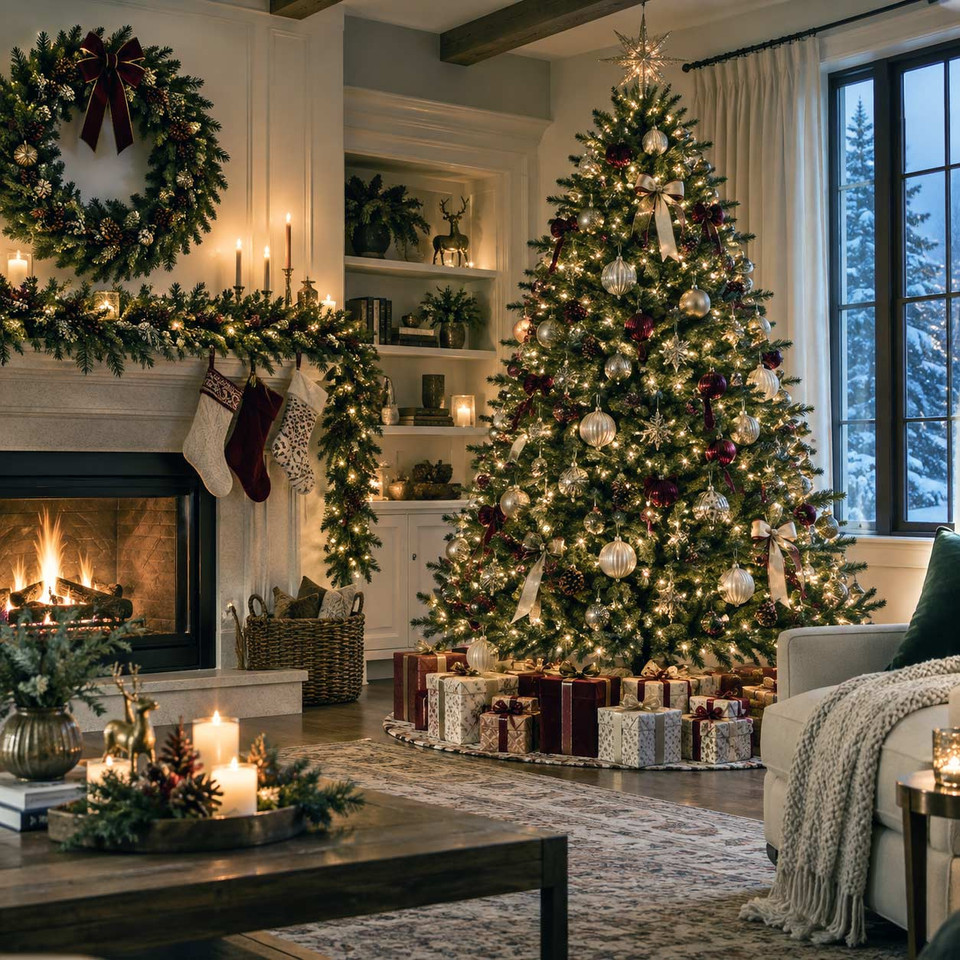
Are Treetime Artificial Christmas Trees Worth It?
If you’re deciding whether a lifelike artificial tree is worth the investment, Treetime Christmas Creations belongs on your shortlist.
Founded in 2011, the brand is known for realistic foliage, sturdy branch engineering, and a service-first approach that helps customers buy with confidence—online or in person. The central question many shoppers ask is simple: are Treetime artificial Christmas trees worth it? The answer depends on how you value realism, longevity, and the everyday decorating experience.
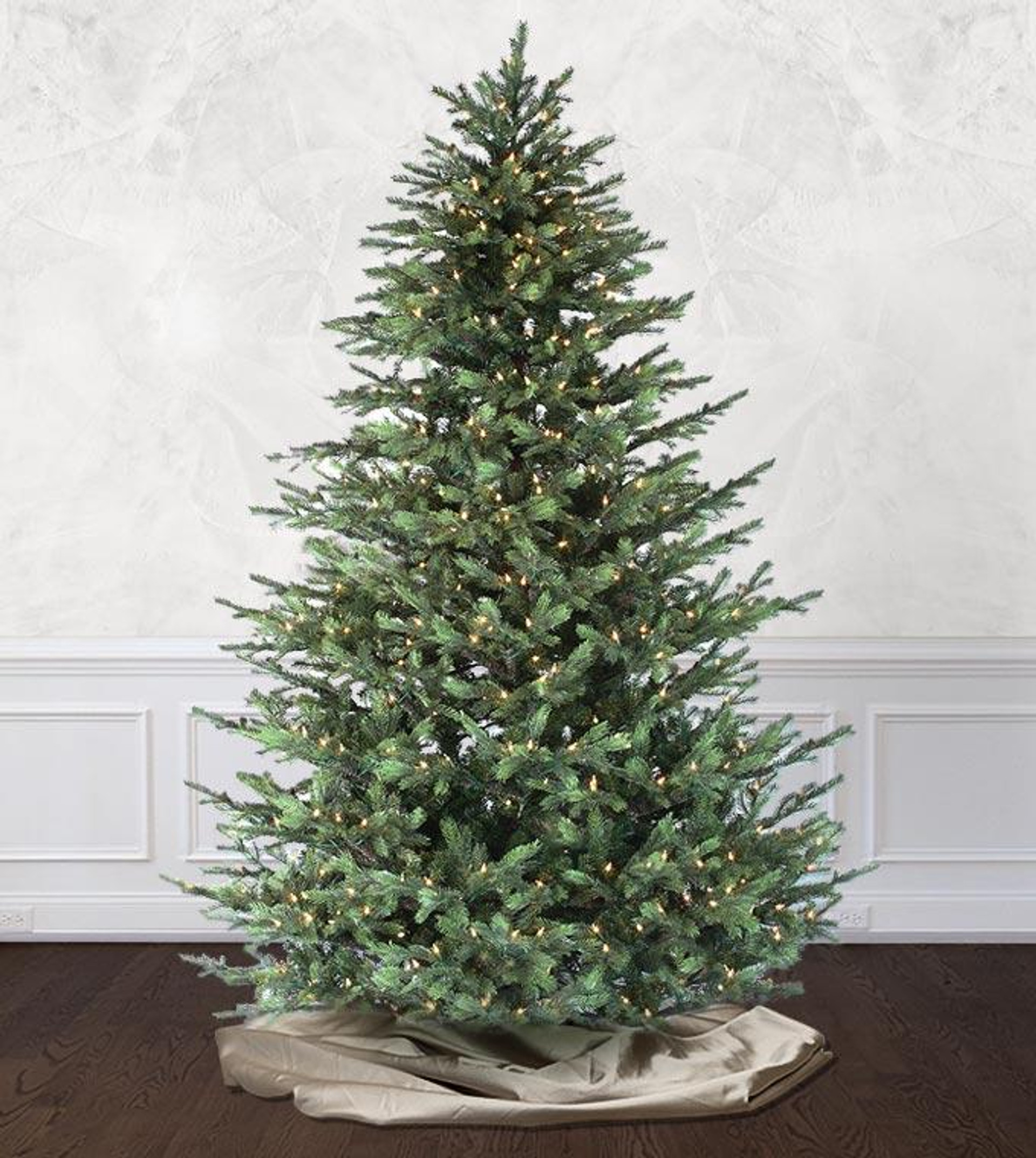
The short answer: Treetime sits within the premium artificial Christmas tree category alongside brands such as Balsam Hill, King of Christmas, and Frontgate. Compared with many mid-tier and mass-market options, the emphasis is on realism, construction quality, ornament-holding strength, and long-term customer support.
Inside Treetime: Brand Story, Showroom Experience, and What Makes Them Different
Since 2011, Treetime Christmas Creations has focused on designing artificial Christmas trees, wreaths, and garlands that look convincingly real and stand up to repeated seasonal use. The company’s mission blends tradition with engineering: create lifelike evergreens, build them for reliability, and support customers with a shopping experience they can trust year after year.
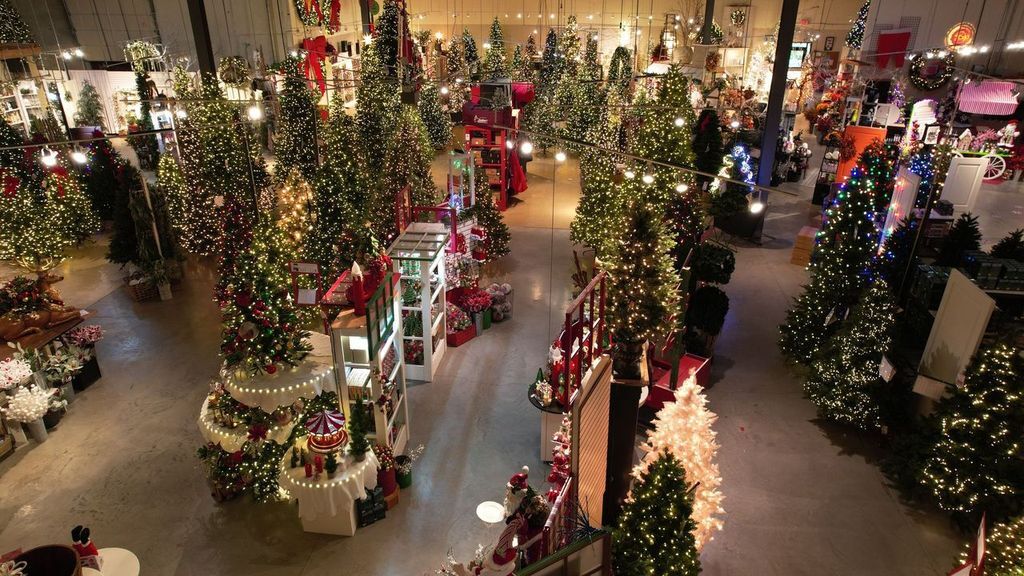
A distinctive part of that experience is the Lake Barrington showroom, where you can see full displays, compare silhouettes, preview lighting, and get a feel for scale before you buy. For many shoppers, seeing trees in person—how the needles catch light, how branches hold ornaments, and how the overall presentation feels—removes guesswork and makes the buying process easier.
Online, Treetime emphasizes accurate, unedited photography so that what you see closely resembles what arrives at your door. That transparency matters in a category where photos can be heavily stylized. It’s supported by U.S.-based product experts who know the foliage mixes, lighting types, heights, and assembly details well enough to answer nuanced questions on the phone or via email.
Backed by a commitment to quality control and a reputation supported by customer testimonials, Better Business Bureau visibility, and word of mouth, Treetime’s approach resonates with buyers who want realism, reliability, and service. This combination is why many families ultimately view a Treetime tree as a long-term holiday investment rather than a one-season purchase.
How Treetime Trees Are Built: Materials, Realism, and Engineering Quality
Start with the foliage. Treetime uses a mix of polyethylene (PE) and polyvinyl chloride (PVC) to balance realism and fullness. Molded PE needles on the exterior branches mimic the natural color, shape, and texture you’d expect from a real evergreen, while interior PVC helps create fullness and visual depth.
Branch engineering is another important differentiator. Many Treetime trees are designed with stronger wire cores and strategic tip density so branches resist sagging when decorated with heavier ornaments, including delicate glass and heirloom pieces such as Christopher Radko collectibles.
Safety and longevity also factor into the construction. Treetime focuses on flame-resistant, fade-resistant materials and pairs its trees with sturdy stands sized appropriately for the tree’s height and girth. The goal is a polished, natural silhouette that stays upright, keeps its color, and remains dependable from one holiday season to the next.
Setup and storage are also designed to be manageable. Hinged sections, practical construction, and straightforward light connections help make assembly and shaping less frustrating. Those details contribute to long-term value—especially compared with bargain trees that can be tedious to assemble or too flimsy to decorate the way you want.
| Feature | Treetime Construction | Typical Lower-Priced Trees |
|---|---|---|
| Foliage materials | Real-Needle PE on outer tips + PVC inside for fullness | Mostly PVC throughout; fewer molded PE details |
| Realism up close | High: natural needle textures and color variation | Moderate to low: flatter, more uniform needles |
| Branch strength | Engineered cores hold heavier glass and heirloom ornaments | Softer wires can bend or sag with weight |
| Lighting quality | Selected for a warm, consistent glow and reliability | Mixed quality; fewer bulbs or uneven brightness |
| Setup engineering | Hinged sections, sensible connections, stable stands | More parts to assemble; stands may feel lighter |
| Lifespan expectation | Multi-season durability with proper care | Shorter usable life; shape and lights may degrade sooner |
TreeTime Trees Reviews: What Real Customers Are Saying
Across TreeTime Trees reviews, several themes repeat: buyers praise lifelike foliage, natural silhouettes, and branches that actually hold heavy ornaments. Many also call out lighting that looks warm and balanced—whether classic incandescent or LED—along with detailed packing that protects the tree during shipping.
Customer service appears frequently in reviews as well. Shoppers highlight quick phone pickup, product-savvy staff, and patient, U.S.-based support that can walk through model differences, room fit, and even post-purchase setup. That aligns with the brand’s promise of help before, during, and after the sale.
No premium brand is perfect. Common considerations include the weight of larger, more realistic trees, the time required to shape dense branches during initial setup, and the possibility that some bulbs or light sections may eventually require troubleshooting or replacement on pre-lit models.
Overall, reviews tend to support Treetime’s claims about realism and reliability while also acknowledging the trade-offs that come with dense construction and pre-lit complexity. The result is a fairly consistent picture of a premium artificial tree designed for buyers who prioritize appearance, strength, and supported ownership.
Are Treetime Artificial Christmas Trees Worth It? Price, Lifespan, and Everyday Use
Treetime sits in the premium price tier relative to mass merchants and mid-range brands. Exact prices vary by height, profile, and lighting type, and seasonal promotions can improve the value. The brand’s case, however, rests on realism, branch strength, longevity, and service rather than simply offering the lowest price.
In terms of longevity, a well-cared-for Treetime tree is designed to last for many seasons. Structurally, frames, stands, and high-quality foliage age more slowly than many budget trees. Fade-resistant materials help needles retain their color and appearance. Like all pre-lit trees, lighting components typically have a shorter lifespan than the frame and branches.
If you decorate with heavy, fragile, or high-end ornaments, stronger branches can make a noticeable difference. Less droop gives you more freedom to decorate evenly from top to bottom without reserving only the strongest branches for your favorite pieces.

There are trade-offs. Pre-lit convenience is excellent out of the box, but any pre-lit system—across brands—can require troubleshooting over time. Some shoppers prefer unlit trees for maximum control and the ability to update their lights independently. Weight is another consideration because denser, more realistic trees can naturally be heavier to move and store.
For buyers who prioritize realism, branch strength, long-term durability, and knowledgeable support, the added investment can make sense over multiple holiday seasons. For short-term needs or a very tight budget, a simpler mid-tier tree may still be the better fit.
Treetime Artificial Trees Warranty, Returns, and Support
Treetime separates coverage for the tree’s structure from its lighting. In practice, this means frames, branches, and stands are covered on a longer timeline than bulbs and light strings. This reflects real-world use: quality structural materials can last many seasons with proper care, while lighting components are more likely to need attention sooner.
The value lies in coverage that matches how artificial trees age, along with access to U.S.-based experts who can help troubleshoot setup, shaping, and lighting issues.
Returns are straightforward, but large, heavy boxes can be expensive to ship. If you think you may return a tree, keep all original packaging until you’re fully satisfied. Test the lights early in the season so you have time to take advantage of support and warranty options.
- Register your tree after purchase.
- Save the original boxes and protective materials.
- Assemble and test all lighting before decorating.
- Store the tree carefully after the season.
- Keep warranty and support information accessible.
Frequently Asked Questions
What makes Treetime artificial Christmas trees worth the price?
Lifelike PE needle detail, strong branch engineering for heavy ornaments, reliable lighting options, flame-resistant and fade-resistant materials, and U.S.-based product support combine to deliver multi-season value.
How long can a Treetime tree last?
With proper care and storage, the frame, branches, and foliage are designed for many seasons. Like all pre-lit trees, lighting components may need attention sooner than the structure over the tree’s lifespan.
Are Treetime branches strong enough for heavy glass ornaments?
Yes. Branch engineering is a hallmark of the brand and is frequently praised by reviewers who hang heavier glass and heirloom ornaments without noticeable sagging.
Do Treetime trees come unlit as well as pre-lit?
Yes. Options include unlit, classic clear incandescent, LED, and ColorChange LED, allowing you to match lighting to your décor and maintenance preferences.
Compare styles, heights, foliage types, and lighting options to find an artificial Christmas tree that fits your space and decorating style.
Newest Guide & Blog Updates

What Makes an Artificial Christmas Tree Look Real
Treetime Realism Guide Nothing captures the season’s magic like a beautifully lit evergreen—real o...

Are Treetime Trees Worth It?
Treetime Buying Guide Are Treetime Artificial Christmas Trees Worth It? If you’re deciding whether...
How to Pick a High-Quality Artificial Christmas Tree That Lasts
Key Takeaways Think of a quality artificial Christmas tree as a long-term investment. Choosing du...
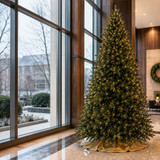
Commercial Christmas Trees Engineered to Perform: Inside TreeTime Tower Trees
TreeTime Commercial Tower Trees Commercial Christmas Trees Engineered to Perform A commercial Chri...

Year-Round Christmas Tree: Inspiring Decorating Ideas for Every Month and Season
Imagine bringing the warm glow and timeless charm of a Christmas tree into your space 365 days a ye...

Why Christmas in July Is the Best Time to Shop for Holiday Decor
Christmas in July Savings Why July Is Secretly the Best Time to Shop for Christmas Decor October?...