A better storage routine protects the tree’s shape, keeps lights and parts easier to manage, and makes next season’s setup noticeably smoother. The best approach is simple: check the tree while it is still assembled, take it down section by section, and store everything in a clean, predictable order.
Replace burned-out, broken, loose, or missing bulbs before the tree goes into storage.
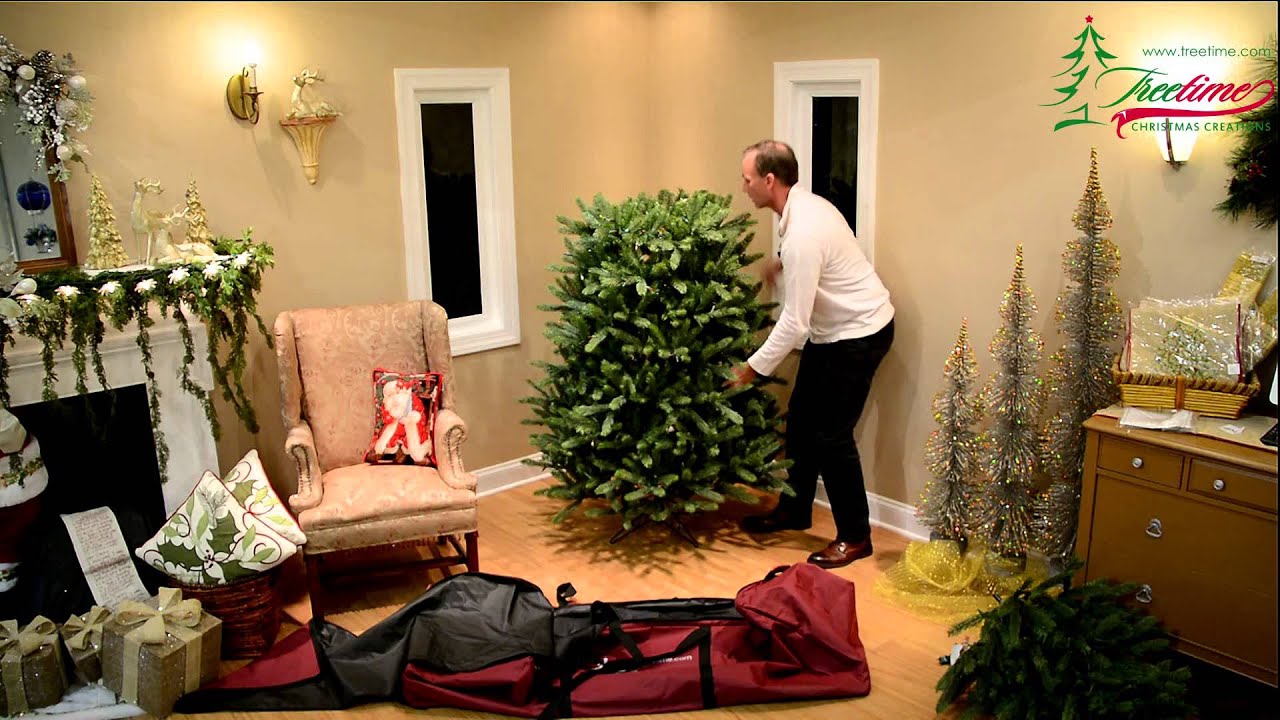
Place the storage bag near the tree before removing the first section.
Keep bottom, middle, and top sections in a logical order for easier setup later.
Keep the stand, spare bulbs, hardware, and small accessories with the tree.
The best time to fix small lighting issues and gather missing parts is while the tree is still out. Once the sections are packed away, small problems become much harder to find. Unplug the tree, clear the area around it, and have the storage bag ready before you remove the first section.
Look for burned-out bulbs, loose sockets, missing parts, or damaged wiring before you pack the tree. If replacement bulbs are needed, use the correct style and voltage for your tree. You can also keep spare lights and bulbs with the tree so they are easy to find next season.
Storage is easier when you think in reverse setup order. Remove sections carefully, compress the foliage lightly, keep cords controlled, and pack the tree so the next setup starts with the parts you need first.
This sequence keeps the tree organized without making the process feel complicated. Work slowly, keep cords from catching, and keep the stand and parts with the tree whenever possible.
Move nearby furniture, décor, gifts, or boxes so you can work around the tree without pulling branches or cords.
Replace burned-out, broken, missing, or loose bulbs while the tree is still easy to inspect.
Position the bag close enough that sections can go directly into it after they are removed.
Trees 5 feet and under usually have two sections. Trees from 6 feet to 8 feet often have three sections. Trees 9 feet and taller may have four to five sections.
Lay upper sections down gently while you work. Keep cords controlled so they do not catch, pull, or tangle.
Use a gentle “hug” to guide the branches inward. Do not crush or flatten the foliage.
Place the base section first, the middle section on the opposite side, and the top section in the remaining space.
Keep small pieces with the tree before tightening the straps and moving the bag to storage.
The original box can work temporarily, but a dedicated bag is usually easier to move and gives the tree sections a more forgiving place to rest. It also gives you a consistent place to keep the stand, spare bulbs, and small accessories together.

Choose a bag sized for your tree height and fullness. Avoid forcing oversized sections into a bag that is too small; the right fit should contain the tree without crushing the shape.
Browse artificial Christmas tree storage bags, or revisit the assembly guide before setting the tree up next season.
A protected storage location helps preserve foliage, lights, cords, hardware, and branch shape. Avoid damp areas whenever possible, and do not stack heavy boxes on top of the tree bag. If the tree is stored upright or on a shelf, make sure the bag is supported so sections do not slide or bend under uneven pressure.
The original box can work, but it can become difficult to close once the tree has been shaped. A dedicated storage bag is usually easier to move and less likely to force the branches flat.
No. Leave the lights on the tree, but replace burned-out, broken, loose, or missing bulbs before packing the sections away.
Compress branches gently, just enough to fit the section into the bag. Avoid forcing the foliage flat because it can make the tree harder to shape next season.
Choose a clean, dry, protected area where the bag will not be crushed by heavy boxes or exposed to moisture.
Storage is part of the full tree-care cycle. These related pages help with setup, choosing the right tree, and solving common questions before next season.
Check the lights before packing, keep sections in order, store the stand and spare parts together, and use a clean, dry space so next season starts with fewer surprises.