
Leave room above the tree.
Leave enough space for a topper and a little visual breathing room. For an 8-foot ceiling, a 7 to 7.5-foot tree is usually the safest fit. For lower ceilings or secondary rooms, 6 to 6.5 feet may work better.
Start with your room, then choose the right height, width, shape, foliage, lighting, and storage plan. This guide is designed to help you shop with confidence instead of guessing.
Ceiling height, topper clearance, floor width, furniture, and walkways matter before anything else.
Full trees need room. Slim, tabletop, and potted trees solve tighter-space problems.
PE looks most realistic, PVC gives classic fullness, and mixed foliage balances both.
Pre-lit saves time, unlit gives control, and ColorChange adds flexibility.
The best tree is the one that fits the room naturally. Height gets the most attention, but width is usually what determines whether a tree feels comfortable or crowded.
Leave enough space for a topper and a little visual breathing room. For an 8-foot ceiling, a 7 to 7.5-foot tree is usually the safest fit. For lower ceilings or secondary rooms, 6 to 6.5 feet may work better.
Measure the space around furniture, fireplaces, doors, and walkways. A 7.5-foot tree can be narrow and slim or very full and wide, so the diameter matters as much as the height.

Good for bedrooms, apartments, lower ceilings, and smaller living spaces.

The most common choice for many homes with standard 8 to 9-foot ceilings.
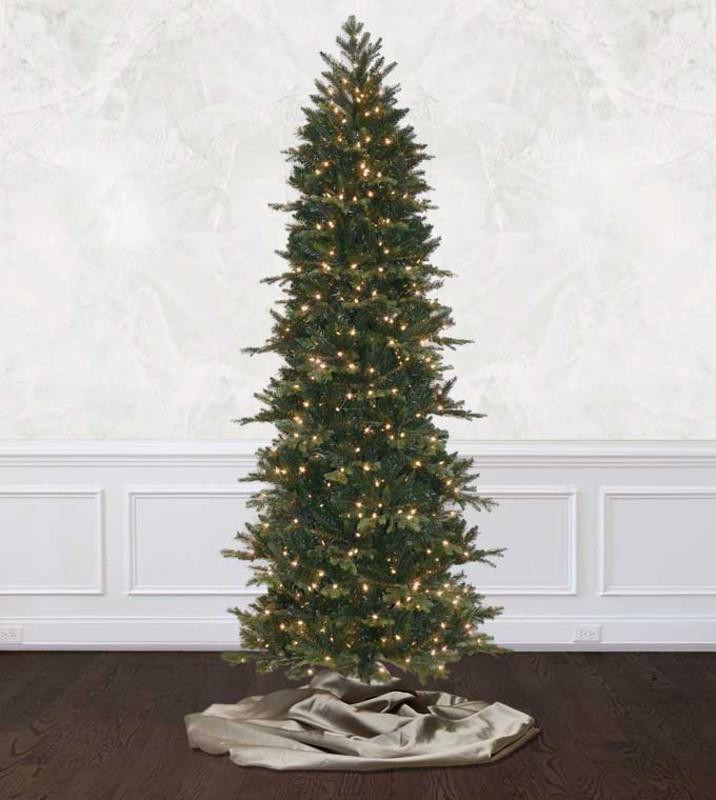
Best when you want height without using too much floor space.
Tabletop, accent, apartment, bedroom, and small-space trees.
Shop SizeA strong fit for smaller rooms, lower ceilings, and secondary spaces.
Shop SizeThe classic choice for many main living rooms and standard ceilings.
Shop SizeGood for taller ceilings and rooms where the tree should feel more dramatic.
Shop SizeDesigned for vaulted ceilings, larger rooms, and statement holiday displays.
Shop SizeOversized trees for grand rooms, commercial spaces, churches, and large displays.
Shop Tall TreesShape determines how the tree fits the room. A full tree creates the most traditional presence, while slim, tabletop, and potted trees solve space and placement challenges.
A quality artificial Christmas tree should feel stable, assemble cleanly, hold ornaments well, and stand up to repeated seasonal use.
Steel center poles provide better strength and confidence once the tree is assembled and decorated.
A sturdy stand helps support the tree’s weight, decorations, and long-term seasonal use.
Hinged branches stay attached to the pole, making setup easier than hook-in branch systems.
Lighting and structural warranties are part of long-term value, especially on premium trees.
Tip count alone does not tell the full story. Needle material, branch density, color variation, and shaping all affect how realistic the tree looks in the room.
PE branch tips are molded for a more dimensional, realistic evergreen look. Many premium trees combine PE on the outside with PVC deeper inside for fullness.
PVC foliage creates the familiar, full artificial Christmas tree look and can be a strong choice when budget, density, and classic styling matter most.
Flocked, frosted, colored, and specialty trees create a decorative statement when the tree itself is part of the room’s design direction.
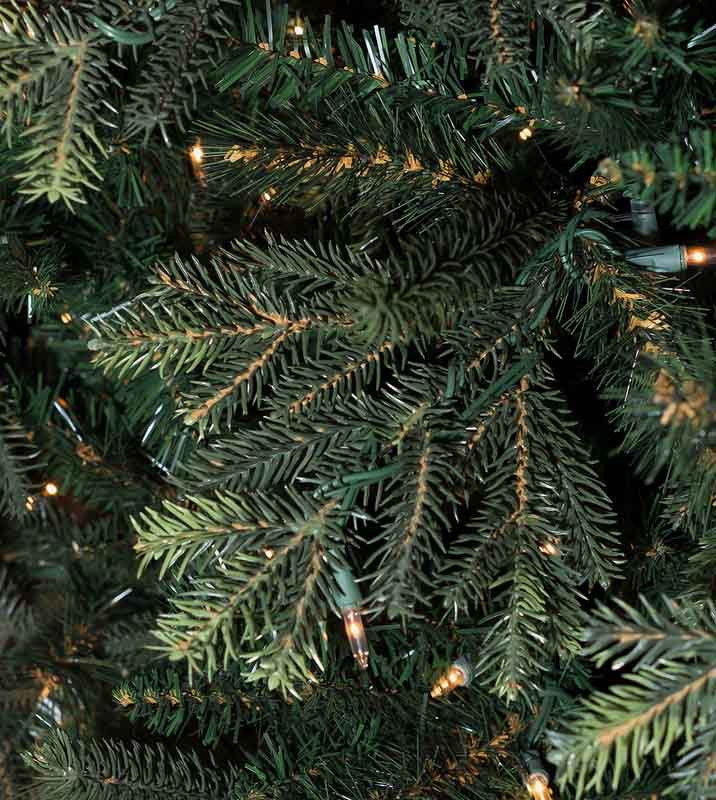
Best for shoppers who want lifelike branch detail and a more natural evergreen appearance.
A familiar classic look with strong fullness and a broad range of styles and price points.

Ideal when you want a snowy, frosted, or more decorative statement tree.
Lighting changes the entire mood of the tree. Decide whether convenience, color flexibility, traditional warmth, or full control matters most.
LED trees are a practical choice for shoppers who want long-lasting, efficient lighting.
ColorChange lighting lets you shift the look without changing lights or buying a different tree.
Incandescent lights create the familiar warm Christmas glow many customers prefer.
Unlit trees are best when you want to choose your own light color, density, and placement.
The way you decorate should influence the tree you choose. Heavy ornaments need stronger branches, ribbon needs depth, and simple ornament palettes may benefit from stronger lighting personality.
Hang heavier ornaments farther back on the branch where support is strongest, and choose a tree with solid structure.
Layered or fuller trees give ribbon, picks, stems, and larger accents more places to sit naturally.
Highly realistic PE, flocked, frosted, or specialty trees can look beautiful with fewer decorations.
Accessories are not just add-ons. They help finish the look, protect the tree, and make next season easier.
Price is usually affected by tree size, foliage material, branch density, lighting system, and overall construction quality.
More realistic molded foliage generally raises the price, especially on fuller or taller trees.
Pre-lit trees cost more upfront but reduce setup work every season.
Strong poles, stands, hinges, and branch construction improve long-term value.
Use these pages when you are ready to compare products, narrow down your options, or get help from Treetime.


