A beautiful tree starts with the room. This guide walks through height, width, shape, foliage, lighting, construction, and storage so you can choose a tree that looks intentional in your home instead of simply fitting into a corner.
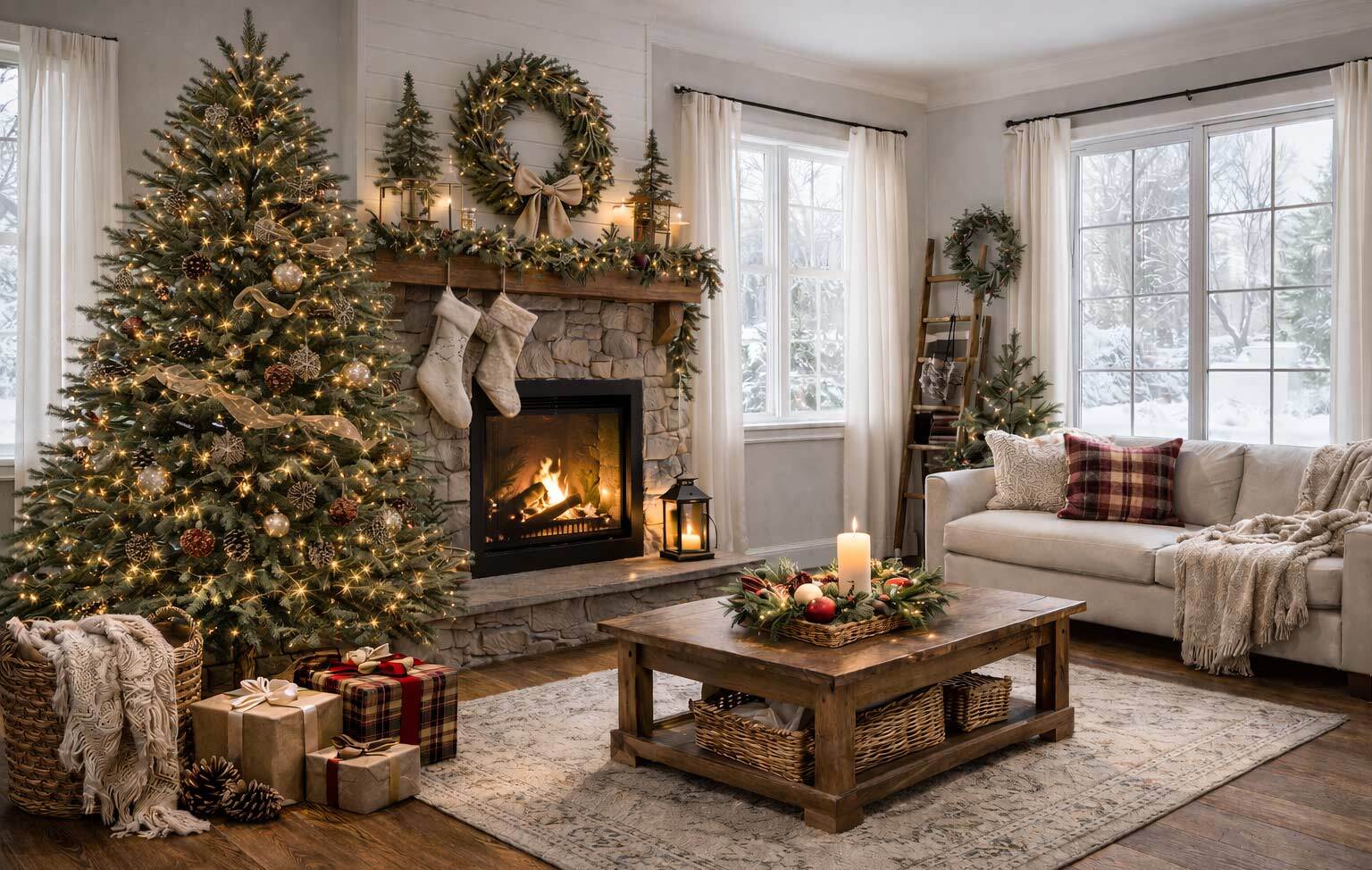
The right artificial Christmas tree should fit the architecture of the room, support the way you decorate, and look full after it is shaped. Before comparing individual styles, start with the full artificial Christmas tree collection or use Treetime’s Tree Finder if you want a faster path by height, fullness, and lighting.
This guide is written for shoppers comparing premium trees, not just looking for the tallest option that fits the ceiling. A 7.5-foot tree can feel formal and grand, narrow and tailored, or dense and traditional depending on its footprint, branch style, foliage blend, and light type.
Most buying mistakes happen because height is considered first and width is considered later. Measure the ceiling, the usable floor space, and the area around furniture, fireplaces, stair rails, doors, and walkways before deciding on a tree profile.
For an 8-foot ceiling, a 7 to 7.5-foot tree is usually the most comfortable fit, especially if you want room for a topper. For taller ceilings, a 9-foot tree or 10 to 12-foot tree can make the room feel more complete.
Width is just as important. Full trees need more floor space and feel more traditional, while slim artificial Christmas trees allow you to keep height without crowding a room. If you are decorating a bedroom, apartment, landing, or office, consider 2 to 5-foot trees or 6 to 6.5-foot trees.

| Tree height | Best use | Start here |
|---|---|---|
| 2–5 ft | Tabletops, bedrooms, children’s rooms, apartments, offices, and accent displays. | Shop 2–5 ft trees |
| 6–6.5 ft | Lower ceilings, secondary rooms, smaller homes, and spaces where a full-height tree feels too large. | Shop 6–6.5 ft trees |
| 7–7.5 ft | The classic main-room size for many homes with standard 8 to 9-foot ceilings. | Shop 7–7.5 ft trees |
| 9 ft | Taller living rooms, foyers, and rooms where the tree should create more vertical presence. | Shop 9 ft trees |
| 10–12 ft | Vaulted ceilings, large great rooms, statement entries, and larger commercial spaces. | Shop 10–12 ft trees |
| 13 ft+ | Grand foyers, churches, hospitality spaces, corporate lobbies, and oversized seasonal displays. | Shop tall trees |
Shape controls the mood of the tree. A broad profile feels classic and substantial. A slim profile feels more tailored. Layered and open branch patterns create shadow, depth, and room for ornaments.
Choose full and wide artificial Christmas trees when the room has enough floor space and you want the tree to be the main holiday focal point.
Slim trees are best for corners, townhomes, offices, apartments, bedrooms, and rooms where height is welcome but width is limited.
Layered trees create a more dimensional look, often making ornaments and ribbon feel more naturally integrated into the branches.
For small-scale decorating, compare tabletop trees and potted artificial Christmas trees. These are useful when you want a polished look on a console, entry table, office counter, or covered display area.
A premium tree is not defined by tip count alone. Realism comes from the foliage material, branch shape, color variation, spacing, and how well the tree shapes after assembly.
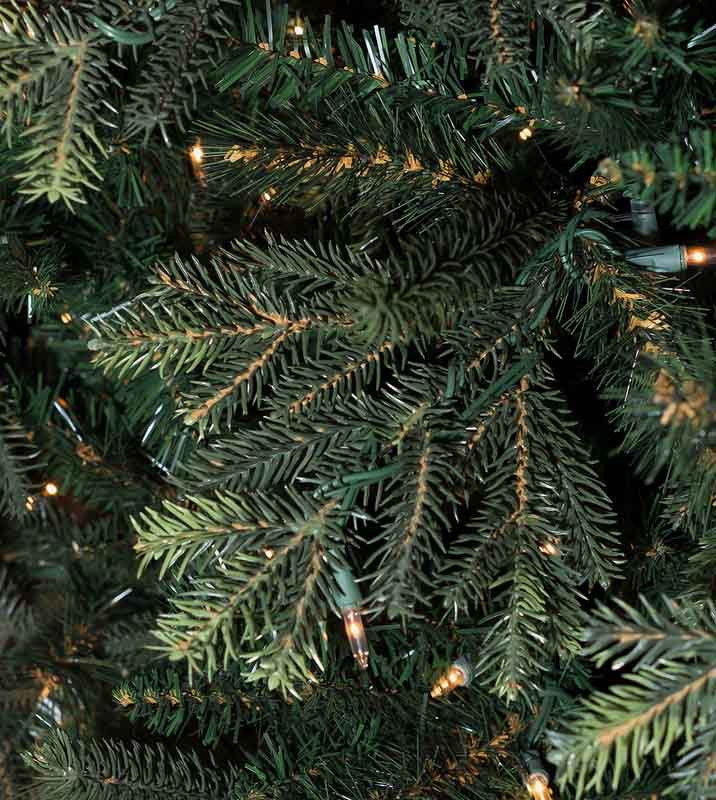
PE foliage is molded to look more like real evergreen needles, which is why many most realistic artificial Christmas trees use a high percentage of PE branch tips. PVC foliage creates the familiar classic Christmas tree fullness and can be especially effective deeper inside the tree.
Many premium trees use a blend of PE and PVC because the two materials serve different purposes: PE provides realism on the visible outer branch tips, while PVC can help create fullness and visual density toward the interior.
If you want a decorative tree that makes a statement before you add ornaments, explore specialty trees, including flocked, frosted, and more stylized designs.
Best for shoppers who want lifelike needle texture, dimensional branch shape, and a tree that looks natural up close.
Best for a traditional artificial tree look, strong density, and a familiar holiday silhouette.
Often the sweet spot for realism, fullness, and price because each material is used where it performs best.
Lighting changes the entire personality of the tree. Warm clear lights feel classic and elegant, multi-color lights feel nostalgic, and ColorChange lighting gives one tree more than one look.
| Lighting type | Why choose it | Good starting point |
|---|---|---|
| LED | Efficient, bright, long-lasting lighting for shoppers who want a clean and reliable pre-lit option. | Shop LED trees |
| ColorChange | Flexible lighting that lets you move between clear, multicolor, and alternate light settings depending on the occasion. | Explore ColorChange |
| Incandescent | A softer, classic glow for shoppers who prefer a traditional Christmas light appearance. | Shop clear-light trees |
| Unlit | Maximum control over bulb color, spacing, light count, and decorating style. | Shop unlit trees |
The tree should feel stable before ornaments go on. Premium construction affects how the tree assembles, how well it supports decorations, and how reliably it stores from year to year.
A strong center pole and sturdy stand help keep the tree straight, balanced, and ready for ornaments, ribbon, picks, and tree toppers.
Hinged branch construction makes setup more efficient because branches stay attached to the pole instead of using loose hook-in pieces.
Compare structure, lighting coverage, warranty details, and service support before judging the value of a premium tree by price alone.
For a deeper quality checklist, read Treetime’s guide on how to identify a high-quality artificial Christmas tree, then review warranty information and shipping information before placing your order.
The tree is only part of the final presentation. A polished room also depends on the base treatment, coordinating greenery, ornament weight, storage plan, and how carefully the tree is shaped every season.
If you decorate with heavy ornaments, choose a tree with enough branch strength and depth. Hang heavier ornaments closer to the trunk where branches have more support. If you use ribbon, oversized picks, or large ornaments, a fuller or layered tree usually gives those pieces more structure to settle into.
A Christmas tree skirt helps finish the base, while wreaths and garland can extend the same design language through the rest of the home. After the season, proper artificial Christmas tree storage helps protect lights, foliage, and branch shape.

These are the questions worth answering before you choose a tree. They also help narrow the collection faster if you are comparing several styles.
A 7 to 7.5-foot tree is usually the safest fit for an 8-foot ceiling because it leaves space for a topper and a little visual breathing room. If you use a tall topper, consider a slightly shorter tree or a lower-profile topper.
A full tree is better when the room has enough floor space and you want a traditional centerpiece. A slim tree is better for corners, apartments, offices, bedrooms, narrow living rooms, or anywhere the tree needs height without taking over the floor plan.
Realism depends on molded PE foliage, natural color variation, branch spacing, branch shape, interior fullness, and careful shaping. Tip count can help, but it does not tell the full story by itself.
Choose a pre-lit tree if you want faster setup and consistent light spacing. Choose an unlit tree if you prefer complete control over bulb type, color, brightness, density, and placement.
Shape each section branch by branch, working from the inside outward. Spread tips in different directions rather than flattening them into one plane. A tree skirt, ribbon, ornaments, picks, and interior lighting can also help create a finished, fuller appearance.
Still comparing options? Visit the FAQ page, browse the How-to Resource Center, or start again with the Tree Finder.
The best artificial Christmas tree is the one that fits your room, suits your decorating style, and feels beautiful year after year. Start with measurements, compare shape and foliage, choose lighting intentionally, then finish the tree with the right base, greenery, and storage plan.
Shop artificial Christmas trees Use the Tree Finder